
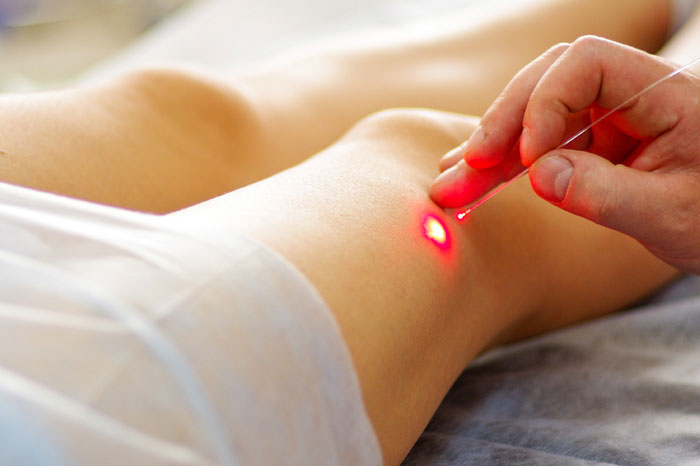
Varicose veins are swollen, twisted veins that you can see just under the surface of the skin, most often in the legs. They develop when the small valves inside the veins stop working properly, allowing blood to pool instead of flowing back toward the heart. Besides their appearance, varicose veins can cause aching, heaviness, swelling, cramping, itching and skin changes around the ankles. Treatment closes or removes the damaged vein so blood is rerouted through healthy veins nearby.
Why do people have varicose vein treatment?
Doctors recommend treatment when varicose veins cause symptoms that interfere with daily life or when they lead to complications such as leg swelling, skin discoloration, bleeding, superficial phlebitis or venous ulcers. Treatment may also be recommended for cosmetic reasons. Most procedures today are minimally invasive and are performed in the office through a small needle puncture rather than open surgery. Options include endovenous ablation, which uses radiofrequency or laser energy to seal the diseased vein from the inside; medical adhesive closure; sclerotherapy, in which a solution is injected to collapse smaller veins; and ambulatory phlebectomy, which removes bulging veins through tiny skin openings. Your doctor will first perform a vascular ultrasound to map your veins and determine which approach is best for you.
What are the risks of varicose vein treatment?
Serious risks and complications from varicose vein procedures are very unlikely. But in rare cases:
How do I prepare for varicose vein treatment?